
Composite Manhole Covers and Infrastructure Products
From manhole covers to drainage channels, from stormwater gratings to junction chambers, TS EN 124-5 certified solutions for every part of the city.
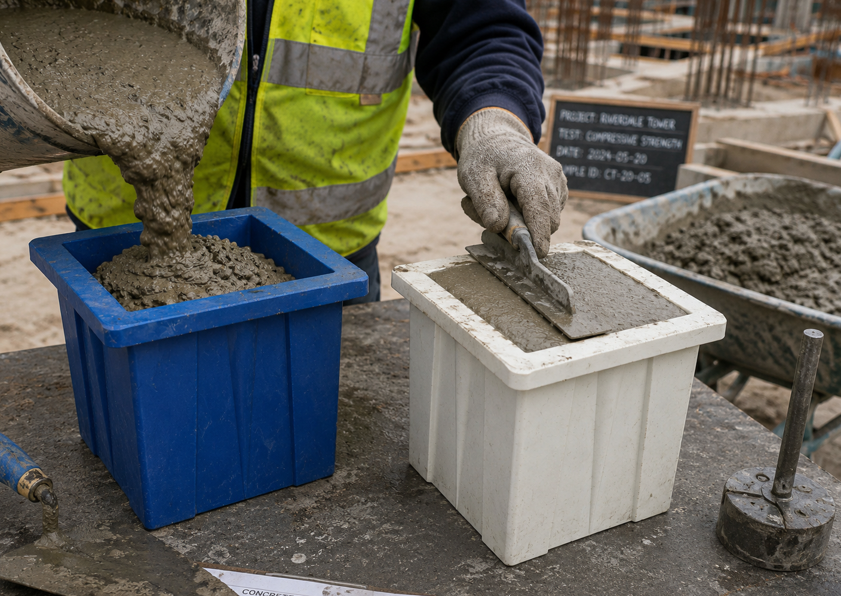
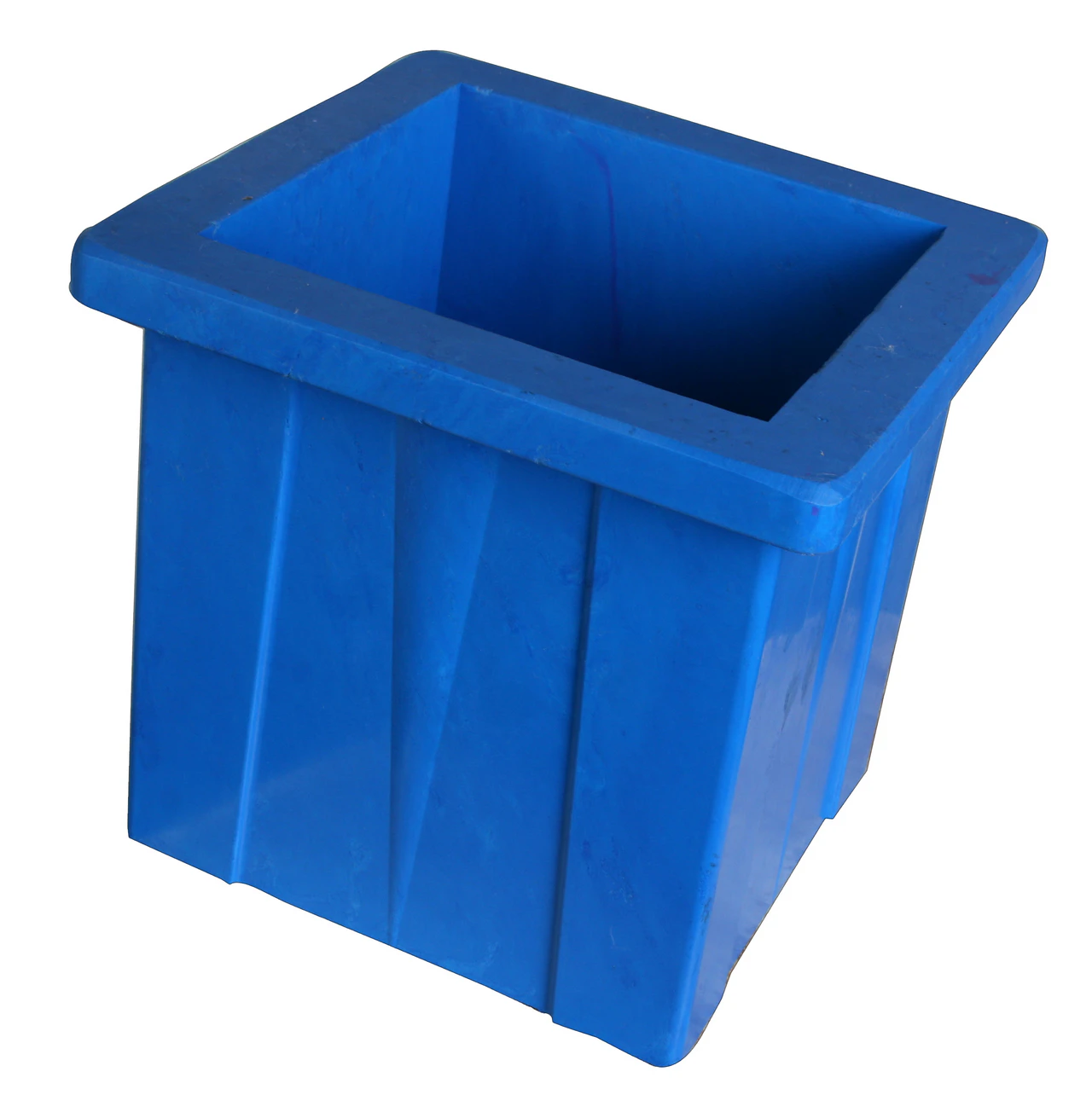
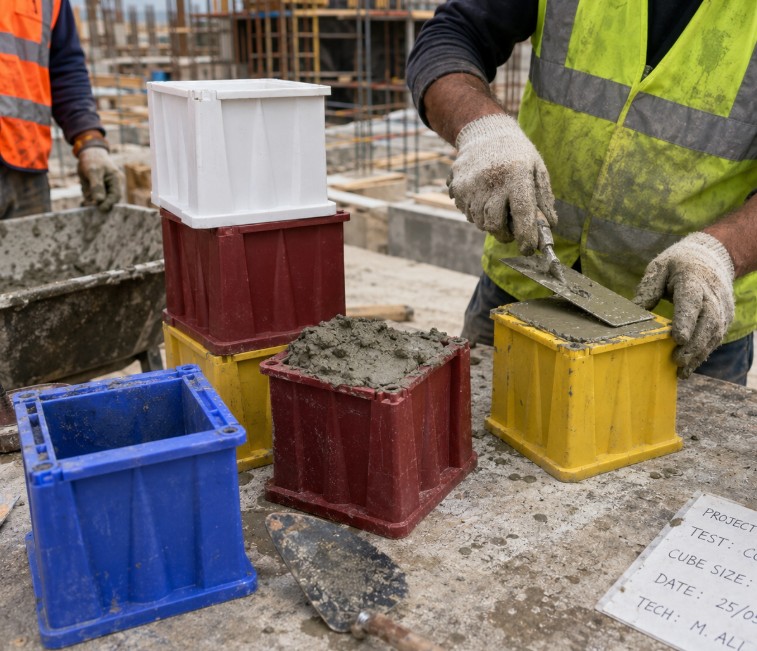
Concrete Specimen Moulds
Beton basınç dayanımı deneyleri için 150 mm küp ve Ø100×200 mm silindir BMC numune kalıpları; saha ve laboratuvar kullanımına uygun seçenekler.
View →
Cement Mortar Specimen Moulds
Çimento ve harç dayanım deneyleri için standarda göre seçilen prizma ve küp numune kalıpları; ölçü ve göz sayısına göre teknik değerlendirme.
View →Featured Products
Why Kent Teknik Kimya?
In composite infrastructure products, we offer quality, durability and engineering support all together.
Long Life
SMC/BMC composite products serve for decades without requiring maintenance.
Rustproof Structure
Fully resistant to corrosion, moisture and chemicals; rotproof.
Lightweight & Easy Installation
Lighter than metal equivalents; savings in transport and installation.
Locking & Gasketed
Locking options against theft, gasket options against odour.
TS EN 124-5 Certified
Production tested in compliance with national and international standards.
Project Support
Our technical staff determine the right product and price for your project.
A Safe Solution at Every Point of the City
Our composite manhole covers and drainage solutions are preferred across a wide range of applications, from heavy vehicle traffic to pedestrian areas, from industrial facilities to municipal infrastructure.

Production and Order Process
We are by your side at every step, from identifying the need to delivery.
Project Need
The requirements and technical needs are identified.
Technical Evaluation
Load class, size and material are selected.
Quote Preparation
A clear, project-specific quote is prepared.
Order Approval
After approval, the order is created.
Production / Stock
Stock check and project production.
Shipment & Delivery
Products are shipped safely.
Let's Determine the Most Suitable Infrastructure Products for Your Project Together
Our technical team is ready to offer the most suitable product and the most accurate price. Get a quote now.
Our Quality Certificates
TS EN 124-5
Grating and manhole cover standard
TSE Certificate
Turkish Standards compliance
ISO 9001
Quality management system
Domestic Product
80.80% local contribution rate
Our Brands


Our Customers & References
Municipalities, construction firms and industrial companies prefer Kent Teknik Kimya solutions in their infrastructure projects.


Frequently Asked Questions
What is a concrete specimen mould?+
<p><strong>Short answer:</strong> What is a concrete specimen mould? should be answered by checking the current project specification, the referenced test method and the exact mould data. Product selection should consider specimen geometry, target dimensions, daily casting volume, demoulding method and the laboratory workflow. Looking at the product name alone is not sufficient for a reliable purchasing decision.</p><h3>Points to verify</h3><ul><li>Confirm the specimen shape and internal dimensions</li><li>Record the product code, material and body weight</li><li>Check the current edition of the referenced method</li><li>Plan cleaning, inspection and spare mould requirements</li></ul><p>Keep the internal surface clean, place and compact concrete according to the applicable procedure, identify the specimen clearly and maintain the required curing conditions. A mould does not determine compressive strength by itself, but damaged geometry, hardened residue or severe wear may affect specimen dimensions and surface quality. Inspect the body and the compressed-air inlet regularly. Do not use hammers, chisels or other impact tools to force the specimen out. If visible distortion or cracking is found, remove the mould from routine use until its condition and internal dimensions have been checked.</p><p>Before ordering, the laboratory and purchasing team should use the same full description. “Concrete specimen mould” alone is ambiguous; state cube or cylinder geometry, exact internal size, product code, body weight and quantity. Verify the latest edition of the sampling, preparation, curing and testing procedures rather than treating general product information as a substitute for a standard. On delivery, check quantity, packaging, visible damage and product identification before use. Laboratories with a high daily casting volume should include spare moulds in their planning so that a damaged unit does not interrupt the specimen programme.</p><p>AYKOMSAN KALIP product pages list size, material, weight and product code separately. For project quantities, include daily use, spare mould requirements, delivery city and requested date so that the quotation can be prepared accurately. Review the <a href="{{u}}kategori/beton-numune-kaliplari">product category</a> or <a href="{{u}}teklif-al">request a quotation</a>.</p>
What is the difference between cube and cylinder specimens?+
<p><strong>Short answer:</strong> What is the difference between cube and cylinder specimens? should be answered by checking the current project specification, the referenced test method and the exact mould data. Product selection should consider specimen geometry, target dimensions, daily casting volume, demoulding method and the laboratory workflow. Looking at the product name alone is not sufficient for a reliable purchasing decision.</p><h3>Points to verify</h3><ul><li>Confirm the specimen shape and internal dimensions</li><li>Record the product code, material and body weight</li><li>Check the current edition of the referenced method</li><li>Plan cleaning, inspection and spare mould requirements</li></ul><p>Keep the internal surface clean, place and compact concrete according to the applicable procedure, identify the specimen clearly and maintain the required curing conditions. A mould does not determine compressive strength by itself, but damaged geometry, hardened residue or severe wear may affect specimen dimensions and surface quality. Inspect the body and the compressed-air inlet regularly. Do not use hammers, chisels or other impact tools to force the specimen out. If visible distortion or cracking is found, remove the mould from routine use until its condition and internal dimensions have been checked.</p><p>Before ordering, the laboratory and purchasing team should use the same full description. “Concrete specimen mould” alone is ambiguous; state cube or cylinder geometry, exact internal size, product code, body weight and quantity. Verify the latest edition of the sampling, preparation, curing and testing procedures rather than treating general product information as a substitute for a standard. On delivery, check quantity, packaging, visible damage and product identification before use. Laboratories with a high daily casting volume should include spare moulds in their planning so that a damaged unit does not interrupt the specimen programme.</p><p>AYKOMSAN KALIP product pages list size, material, weight and product code separately. For project quantities, include daily use, spare mould requirements, delivery city and requested date so that the quotation can be prepared accurately. Review the <a href="{{u}}kategori/beton-numune-kaliplari">product category</a> or <a href="{{u}}teklif-al">request a quotation</a>.</p>
What does TS EN 12390-1 cover?+
<p><strong>Short answer:</strong> What does TS EN 12390-1 cover? should be answered by checking the current project specification, the referenced test method and the exact mould data. Product selection should consider specimen geometry, target dimensions, daily casting volume, demoulding method and the laboratory workflow. Looking at the product name alone is not sufficient for a reliable purchasing decision.</p><h3>Points to verify</h3><ul><li>Confirm the specimen shape and internal dimensions</li><li>Record the product code, material and body weight</li><li>Check the current edition of the referenced method</li><li>Plan cleaning, inspection and spare mould requirements</li></ul><p>Keep the internal surface clean, place and compact concrete according to the applicable procedure, identify the specimen clearly and maintain the required curing conditions. A mould does not determine compressive strength by itself, but damaged geometry, hardened residue or severe wear may affect specimen dimensions and surface quality. Inspect the body and the compressed-air inlet regularly. Do not use hammers, chisels or other impact tools to force the specimen out. If visible distortion or cracking is found, remove the mould from routine use until its condition and internal dimensions have been checked.</p><p>Before ordering, the laboratory and purchasing team should use the same full description. “Concrete specimen mould” alone is ambiguous; state cube or cylinder geometry, exact internal size, product code, body weight and quantity. Verify the latest edition of the sampling, preparation, curing and testing procedures rather than treating general product information as a substitute for a standard. On delivery, check quantity, packaging, visible damage and product identification before use. Laboratories with a high daily casting volume should include spare moulds in their planning so that a damaged unit does not interrupt the specimen programme.</p><p>AYKOMSAN KALIP product pages list size, material, weight and product code separately. For project quantities, include daily use, spare mould requirements, delivery city and requested date so that the quotation can be prepared accurately. Review the <a href="{{u}}kategori/beton-numune-kaliplari">product category</a> or <a href="{{u}}teklif-al">request a quotation</a>.</p>
Where is a 150×150×150 mm cube mould used?+
<p><strong>Short answer:</strong> Where is a 150×150×150 mm cube mould used? should be answered by checking the current project specification, the referenced test method and the exact mould data. Product selection should consider specimen geometry, target dimensions, daily casting volume, demoulding method and the laboratory workflow. Looking at the product name alone is not sufficient for a reliable purchasing decision.</p><h3>Points to verify</h3><ul><li>Confirm the specimen shape and internal dimensions</li><li>Record the product code, material and body weight</li><li>Check the current edition of the referenced method</li><li>Plan cleaning, inspection and spare mould requirements</li></ul><p>Keep the internal surface clean, place and compact concrete according to the applicable procedure, identify the specimen clearly and maintain the required curing conditions. A mould does not determine compressive strength by itself, but damaged geometry, hardened residue or severe wear may affect specimen dimensions and surface quality. Inspect the body and the compressed-air inlet regularly. Do not use hammers, chisels or other impact tools to force the specimen out. If visible distortion or cracking is found, remove the mould from routine use until its condition and internal dimensions have been checked.</p><p>Before ordering, the laboratory and purchasing team should use the same full description. “Concrete specimen mould” alone is ambiguous; state cube or cylinder geometry, exact internal size, product code, body weight and quantity. Verify the latest edition of the sampling, preparation, curing and testing procedures rather than treating general product information as a substitute for a standard. On delivery, check quantity, packaging, visible damage and product identification before use. Laboratories with a high daily casting volume should include spare moulds in their planning so that a damaged unit does not interrupt the specimen programme.</p><p>AYKOMSAN KALIP product pages list size, material, weight and product code separately. For project quantities, include daily use, spare mould requirements, delivery city and requested date so that the quotation can be prepared accurately. Review the <a href="{{u}}kategori/beton-numune-kaliplari">product category</a> or <a href="{{u}}teklif-al">request a quotation</a>.</p>
When should an Ø100×200 mm cylinder mould be selected?+
<p><strong>Short answer:</strong> When should an Ø100×200 mm cylinder mould be selected? should be answered by checking the current project specification, the referenced test method and the exact mould data. Product selection should consider specimen geometry, target dimensions, daily casting volume, demoulding method and the laboratory workflow. Looking at the product name alone is not sufficient for a reliable purchasing decision.</p><h3>Points to verify</h3><ul><li>Confirm the specimen shape and internal dimensions</li><li>Record the product code, material and body weight</li><li>Check the current edition of the referenced method</li><li>Plan cleaning, inspection and spare mould requirements</li></ul><p>Keep the internal surface clean, place and compact concrete according to the applicable procedure, identify the specimen clearly and maintain the required curing conditions. A mould does not determine compressive strength by itself, but damaged geometry, hardened residue or severe wear may affect specimen dimensions and surface quality. Inspect the body and the compressed-air inlet regularly. Do not use hammers, chisels or other impact tools to force the specimen out. If visible distortion or cracking is found, remove the mould from routine use until its condition and internal dimensions have been checked.</p><p>Before ordering, the laboratory and purchasing team should use the same full description. “Concrete specimen mould” alone is ambiguous; state cube or cylinder geometry, exact internal size, product code, body weight and quantity. Verify the latest edition of the sampling, preparation, curing and testing procedures rather than treating general product information as a substitute for a standard. On delivery, check quantity, packaging, visible damage and product identification before use. Laboratories with a high daily casting volume should include spare moulds in their planning so that a damaged unit does not interrupt the specimen programme.</p><p>AYKOMSAN KALIP product pages list size, material, weight and product code separately. For project quantities, include daily use, spare mould requirements, delivery city and requested date so that the quotation can be prepared accurately. Review the <a href="{{u}}kategori/beton-numune-kaliplari">product category</a> or <a href="{{u}}teklif-al">request a quotation</a>.</p>
What is a BMC concrete specimen mould?+
<p><strong>Short answer:</strong> What is a BMC concrete specimen mould? should be answered by checking the current project specification, the referenced test method and the exact mould data. Product selection should consider specimen geometry, target dimensions, daily casting volume, demoulding method and the laboratory workflow. Looking at the product name alone is not sufficient for a reliable purchasing decision.</p><h3>Points to verify</h3><ul><li>Confirm the specimen shape and internal dimensions</li><li>Record the product code, material and body weight</li><li>Check the current edition of the referenced method</li><li>Plan cleaning, inspection and spare mould requirements</li></ul><p>Keep the internal surface clean, place and compact concrete according to the applicable procedure, identify the specimen clearly and maintain the required curing conditions. A mould does not determine compressive strength by itself, but damaged geometry, hardened residue or severe wear may affect specimen dimensions and surface quality. Inspect the body and the compressed-air inlet regularly. Do not use hammers, chisels or other impact tools to force the specimen out. If visible distortion or cracking is found, remove the mould from routine use until its condition and internal dimensions have been checked.</p><p>Before ordering, the laboratory and purchasing team should use the same full description. “Concrete specimen mould” alone is ambiguous; state cube or cylinder geometry, exact internal size, product code, body weight and quantity. Verify the latest edition of the sampling, preparation, curing and testing procedures rather than treating general product information as a substitute for a standard. On delivery, check quantity, packaging, visible damage and product identification before use. Laboratories with a high daily casting volume should include spare moulds in their planning so that a damaged unit does not interrupt the specimen programme.</p><p>AYKOMSAN KALIP product pages list size, material, weight and product code separately. For project quantities, include daily use, spare mould requirements, delivery city and requested date so that the quotation can be prepared accurately. Review the <a href="{{u}}kategori/beton-numune-kaliplari">product category</a> or <a href="{{u}}teklif-al">request a quotation</a>.</p>
How do I choose between 2200 g and 2800 g cube moulds?+
<p><strong>Short answer:</strong> How do I choose between 2200 g and 2800 g cube moulds? should be answered by checking the current project specification, the referenced test method and the exact mould data. Product selection should consider specimen geometry, target dimensions, daily casting volume, demoulding method and the laboratory workflow. Looking at the product name alone is not sufficient for a reliable purchasing decision.</p><h3>Points to verify</h3><ul><li>Confirm the specimen shape and internal dimensions</li><li>Record the product code, material and body weight</li><li>Check the current edition of the referenced method</li><li>Plan cleaning, inspection and spare mould requirements</li></ul><p>Keep the internal surface clean, place and compact concrete according to the applicable procedure, identify the specimen clearly and maintain the required curing conditions. A mould does not determine compressive strength by itself, but damaged geometry, hardened residue or severe wear may affect specimen dimensions and surface quality. Inspect the body and the compressed-air inlet regularly. Do not use hammers, chisels or other impact tools to force the specimen out. If visible distortion or cracking is found, remove the mould from routine use until its condition and internal dimensions have been checked.</p><p>Before ordering, the laboratory and purchasing team should use the same full description. “Concrete specimen mould” alone is ambiguous; state cube or cylinder geometry, exact internal size, product code, body weight and quantity. Verify the latest edition of the sampling, preparation, curing and testing procedures rather than treating general product information as a substitute for a standard. On delivery, check quantity, packaging, visible damage and product identification before use. Laboratories with a high daily casting volume should include spare moulds in their planning so that a damaged unit does not interrupt the specimen programme.</p><p>AYKOMSAN KALIP product pages list size, material, weight and product code separately. For project quantities, include daily use, spare mould requirements, delivery city and requested date so that the quotation can be prepared accurately. Review the <a href="{{u}}kategori/beton-numune-kaliplari">product category</a> or <a href="{{u}}teklif-al">request a quotation</a>.</p>
How is a specimen released with compressed air?+
<p><strong>Short answer:</strong> How is a specimen released with compressed air? should be answered by checking the current project specification, the referenced test method and the exact mould data. Product selection should consider specimen geometry, target dimensions, daily casting volume, demoulding method and the laboratory workflow. Looking at the product name alone is not sufficient for a reliable purchasing decision.</p><h3>Points to verify</h3><ul><li>Confirm the specimen shape and internal dimensions</li><li>Record the product code, material and body weight</li><li>Check the current edition of the referenced method</li><li>Plan cleaning, inspection and spare mould requirements</li></ul><p>Keep the internal surface clean, place and compact concrete according to the applicable procedure, identify the specimen clearly and maintain the required curing conditions. A mould does not determine compressive strength by itself, but damaged geometry, hardened residue or severe wear may affect specimen dimensions and surface quality. Inspect the body and the compressed-air inlet regularly. Do not use hammers, chisels or other impact tools to force the specimen out. If visible distortion or cracking is found, remove the mould from routine use until its condition and internal dimensions have been checked.</p><p>Before ordering, the laboratory and purchasing team should use the same full description. “Concrete specimen mould” alone is ambiguous; state cube or cylinder geometry, exact internal size, product code, body weight and quantity. Verify the latest edition of the sampling, preparation, curing and testing procedures rather than treating general product information as a substitute for a standard. On delivery, check quantity, packaging, visible damage and product identification before use. Laboratories with a high daily casting volume should include spare moulds in their planning so that a damaged unit does not interrupt the specimen programme.</p><p>AYKOMSAN KALIP product pages list size, material, weight and product code separately. For project quantities, include daily use, spare mould requirements, delivery city and requested date so that the quotation can be prepared accurately. Review the <a href="{{u}}kategori/beton-numune-kaliplari">product category</a> or <a href="{{u}}teklif-al">request a quotation</a>.</p>
Should a concrete mould be cleaned after every use?+
<p><strong>Short answer:</strong> Should a concrete mould be cleaned after every use? should be answered by checking the current project specification, the referenced test method and the exact mould data. Product selection should consider specimen geometry, target dimensions, daily casting volume, demoulding method and the laboratory workflow. Looking at the product name alone is not sufficient for a reliable purchasing decision.</p><h3>Points to verify</h3><ul><li>Confirm the specimen shape and internal dimensions</li><li>Record the product code, material and body weight</li><li>Check the current edition of the referenced method</li><li>Plan cleaning, inspection and spare mould requirements</li></ul><p>Keep the internal surface clean, place and compact concrete according to the applicable procedure, identify the specimen clearly and maintain the required curing conditions. A mould does not determine compressive strength by itself, but damaged geometry, hardened residue or severe wear may affect specimen dimensions and surface quality. Inspect the body and the compressed-air inlet regularly. Do not use hammers, chisels or other impact tools to force the specimen out. If visible distortion or cracking is found, remove the mould from routine use until its condition and internal dimensions have been checked.</p><p>Before ordering, the laboratory and purchasing team should use the same full description. “Concrete specimen mould” alone is ambiguous; state cube or cylinder geometry, exact internal size, product code, body weight and quantity. Verify the latest edition of the sampling, preparation, curing and testing procedures rather than treating general product information as a substitute for a standard. On delivery, check quantity, packaging, visible damage and product identification before use. Laboratories with a high daily casting volume should include spare moulds in their planning so that a damaged unit does not interrupt the specimen programme.</p><p>AYKOMSAN KALIP product pages list size, material, weight and product code separately. For project quantities, include daily use, spare mould requirements, delivery city and requested date so that the quotation can be prepared accurately. Review the <a href="{{u}}kategori/beton-numune-kaliplari">product category</a> or <a href="{{u}}teklif-al">request a quotation</a>.</p>
Is a release agent required?+
<p><strong>Short answer:</strong> Is a release agent required? should be answered by checking the current project specification, the referenced test method and the exact mould data. Product selection should consider specimen geometry, target dimensions, daily casting volume, demoulding method and the laboratory workflow. Looking at the product name alone is not sufficient for a reliable purchasing decision.</p><h3>Points to verify</h3><ul><li>Confirm the specimen shape and internal dimensions</li><li>Record the product code, material and body weight</li><li>Check the current edition of the referenced method</li><li>Plan cleaning, inspection and spare mould requirements</li></ul><p>Keep the internal surface clean, place and compact concrete according to the applicable procedure, identify the specimen clearly and maintain the required curing conditions. A mould does not determine compressive strength by itself, but damaged geometry, hardened residue or severe wear may affect specimen dimensions and surface quality. Inspect the body and the compressed-air inlet regularly. Do not use hammers, chisels or other impact tools to force the specimen out. If visible distortion or cracking is found, remove the mould from routine use until its condition and internal dimensions have been checked.</p><p>Before ordering, the laboratory and purchasing team should use the same full description. “Concrete specimen mould” alone is ambiguous; state cube or cylinder geometry, exact internal size, product code, body weight and quantity. Verify the latest edition of the sampling, preparation, curing and testing procedures rather than treating general product information as a substitute for a standard. On delivery, check quantity, packaging, visible damage and product identification before use. Laboratories with a high daily casting volume should include spare moulds in their planning so that a damaged unit does not interrupt the specimen programme.</p><p>AYKOMSAN KALIP product pages list size, material, weight and product code separately. For project quantities, include daily use, spare mould requirements, delivery city and requested date so that the quotation can be prepared accurately. Review the <a href="{{u}}kategori/beton-numune-kaliplari">product category</a> or <a href="{{u}}teklif-al">request a quotation</a>.</p>
How are mould dimensions checked?+
<p><strong>Short answer:</strong> How are mould dimensions checked? should be answered by checking the current project specification, the referenced test method and the exact mould data. Product selection should consider specimen geometry, target dimensions, daily casting volume, demoulding method and the laboratory workflow. Looking at the product name alone is not sufficient for a reliable purchasing decision.</p><h3>Points to verify</h3><ul><li>Confirm the specimen shape and internal dimensions</li><li>Record the product code, material and body weight</li><li>Check the current edition of the referenced method</li><li>Plan cleaning, inspection and spare mould requirements</li></ul><p>Keep the internal surface clean, place and compact concrete according to the applicable procedure, identify the specimen clearly and maintain the required curing conditions. A mould does not determine compressive strength by itself, but damaged geometry, hardened residue or severe wear may affect specimen dimensions and surface quality. Inspect the body and the compressed-air inlet regularly. Do not use hammers, chisels or other impact tools to force the specimen out. If visible distortion or cracking is found, remove the mould from routine use until its condition and internal dimensions have been checked.</p><p>Before ordering, the laboratory and purchasing team should use the same full description. “Concrete specimen mould” alone is ambiguous; state cube or cylinder geometry, exact internal size, product code, body weight and quantity. Verify the latest edition of the sampling, preparation, curing and testing procedures rather than treating general product information as a substitute for a standard. On delivery, check quantity, packaging, visible damage and product identification before use. Laboratories with a high daily casting volume should include spare moulds in their planning so that a damaged unit does not interrupt the specimen programme.</p><p>AYKOMSAN KALIP product pages list size, material, weight and product code separately. For project quantities, include daily use, spare mould requirements, delivery city and requested date so that the quotation can be prepared accurately. Review the <a href="{{u}}kategori/beton-numune-kaliplari">product category</a> or <a href="{{u}}teklif-al">request a quotation</a>.</p>
How long can a concrete specimen mould be used?+
<p><strong>Short answer:</strong> How long can a concrete specimen mould be used? should be answered by checking the current project specification, the referenced test method and the exact mould data. Product selection should consider specimen geometry, target dimensions, daily casting volume, demoulding method and the laboratory workflow. Looking at the product name alone is not sufficient for a reliable purchasing decision.</p><h3>Points to verify</h3><ul><li>Confirm the specimen shape and internal dimensions</li><li>Record the product code, material and body weight</li><li>Check the current edition of the referenced method</li><li>Plan cleaning, inspection and spare mould requirements</li></ul><p>Keep the internal surface clean, place and compact concrete according to the applicable procedure, identify the specimen clearly and maintain the required curing conditions. A mould does not determine compressive strength by itself, but damaged geometry, hardened residue or severe wear may affect specimen dimensions and surface quality. Inspect the body and the compressed-air inlet regularly. Do not use hammers, chisels or other impact tools to force the specimen out. If visible distortion or cracking is found, remove the mould from routine use until its condition and internal dimensions have been checked.</p><p>Before ordering, the laboratory and purchasing team should use the same full description. “Concrete specimen mould” alone is ambiguous; state cube or cylinder geometry, exact internal size, product code, body weight and quantity. Verify the latest edition of the sampling, preparation, curing and testing procedures rather than treating general product information as a substitute for a standard. On delivery, check quantity, packaging, visible damage and product identification before use. Laboratories with a high daily casting volume should include spare moulds in their planning so that a damaged unit does not interrupt the specimen programme.</p><p>AYKOMSAN KALIP product pages list size, material, weight and product code separately. For project quantities, include daily use, spare mould requirements, delivery city and requested date so that the quotation can be prepared accurately. Review the <a href="{{u}}kategori/beton-numune-kaliplari">product category</a> or <a href="{{u}}teklif-al">request a quotation</a>.</p>
Can concrete specimen moulds be used on site?+
<p><strong>Short answer:</strong> Can concrete specimen moulds be used on site? should be answered by checking the current project specification, the referenced test method and the exact mould data. Product selection should consider specimen geometry, target dimensions, daily casting volume, demoulding method and the laboratory workflow. Looking at the product name alone is not sufficient for a reliable purchasing decision.</p><h3>Points to verify</h3><ul><li>Confirm the specimen shape and internal dimensions</li><li>Record the product code, material and body weight</li><li>Check the current edition of the referenced method</li><li>Plan cleaning, inspection and spare mould requirements</li></ul><p>Keep the internal surface clean, place and compact concrete according to the applicable procedure, identify the specimen clearly and maintain the required curing conditions. A mould does not determine compressive strength by itself, but damaged geometry, hardened residue or severe wear may affect specimen dimensions and surface quality. Inspect the body and the compressed-air inlet regularly. Do not use hammers, chisels or other impact tools to force the specimen out. If visible distortion or cracking is found, remove the mould from routine use until its condition and internal dimensions have been checked.</p><p>Before ordering, the laboratory and purchasing team should use the same full description. “Concrete specimen mould” alone is ambiguous; state cube or cylinder geometry, exact internal size, product code, body weight and quantity. Verify the latest edition of the sampling, preparation, curing and testing procedures rather than treating general product information as a substitute for a standard. On delivery, check quantity, packaging, visible damage and product identification before use. Laboratories with a high daily casting volume should include spare moulds in their planning so that a damaged unit does not interrupt the specimen programme.</p><p>AYKOMSAN KALIP product pages list size, material, weight and product code separately. For project quantities, include daily use, spare mould requirements, delivery city and requested date so that the quotation can be prepared accurately. Review the <a href="{{u}}kategori/beton-numune-kaliplari">product category</a> or <a href="{{u}}teklif-al">request a quotation</a>.</p>
Technical Articles & Guides

What Is a Concrete Specimen Mould? Selection Guide
Concrete specimen mould functions, cube and cylinder geometry, standards and purchasing checks.

How to Select a 150×150×150 mm Concrete Cube Mould
How to select a 150 mm cube mould by size, BMC material, body weight, frequency of use and demoulding method.

Differences Between 2200 g and 2800 g Concrete Cube Moulds
Handling and selection differences between 2200 g and 2800 g BMC moulds for the same 150 mm cube size.
Your Reliable Solution Partner in Composite Manhole Covers and Infrastructure Products
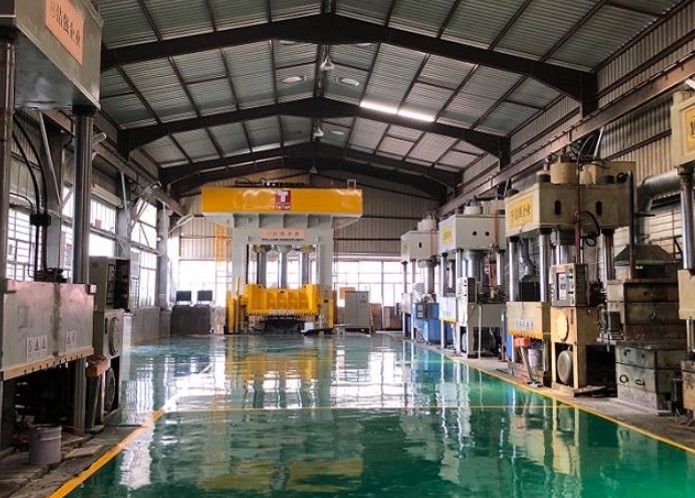
Kent Teknik Kimya, with over 30 years of experience, is one of Turkey's leading companies in the manufacture of infrastructure products such as composite manhole covers, polymer drainage channels, composite drainage channels, stormwater gratings, composite junction chambers, floor drains and bench feet. Made of glass-fibre reinforced polyester with SMC and BMC composite technology, our products are rustproof, lightweight and long-lasting.
Our products are manufactured in accordance with the TS EN 124-5 standard in the A15, B125, C250 and D400 load classes. From municipal infrastructure works to industrial facilities, from car parks to telecom networks, we offer the right solution in every project. For manhole cover prices and drainage channel prices, you can fill in our quote form.